
To Know Thyself is the Beginning of All Wisdom [Aristotle]… and as it turns out, it’s also the beginning of your Brand Strategy
At SIVO Insights, we spend a lot of time helping our clients understand who their consumers are, what they need and why. It is just as important to help our clients understand the competitive context within which they operate, to understand where and how their brands can differentiate and create an ownable competitive advantage.
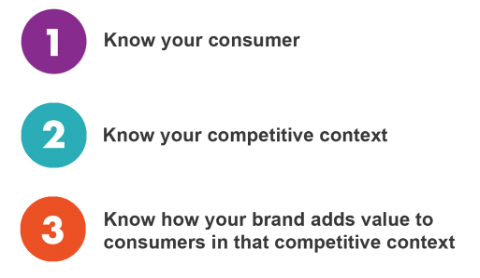
We work with our clients using a three-pronged approach to set a solid brand strategy:
A simple exercise that teams can use to consider and articulate the market that their brand best competes in, is the “Big Box, Little Box” Model.

In this model, teams define the market, or “Little Box” that they believe their brand currently operates in, and what benefits they distinctly deliver to that market. Next, the team considers a broader market definition, the “Big Box”, to understand who is in the brand’s expanded list of competitors and what benefits their product could distinctly deliver in that broader context. By doing this exercise, the team broadens their view of who they are truly competing with and where they can source volume. This helps teams reframe how they present their brand and its ownable benefits to the world. i.e., the brand positioning, which in turn, impacts future renovation, innovation, and communication efforts.
Trending
Do customers want to ‘hire’ your product?
A team that manages a coffee brand might define their “Little Box” as the Coffee category. In that competitive context, the team will likely focus on functional coffee benefits such as richest flavor or best price, to compete with other coffee brands. But when they broadened their view of the competitive context to the “Big Box”, they might find that they are competing with the broader ‘caffeinated beverage’ market. In this context, the key benefits that the team may focus on to differentiate and compete with caffeinated sodas and energy drinks would be things like “warmth, comfort, and enabling your morning ritual.”
The big box, little box model allows teams to…
Discover who they are truly competing with
Reframe their brand strengths within the broader, and likely more accurate, competitive context
Identify which brand benefits are most ownable and distinctive vs. the competitive set
Reconsider who their target consumer is and how to position the brand to meet the needs of this larger consumer target group
Our experts can…
Facilitate a Big Box/Little Box exercise with your team
Execute a qualitative exploration to understand where your brand truly competes
Execute an Attitude and Usage (A&U) study to quantify which competitive products/categories are true competitors
Facilitate a workshop, using the learning above, to rethink and redefine brand strategy
Contact us at Contact@SIVOInsights.com for more information and next steps.
by Julie Rose
I’ve been in the workforce for over 30 years (GASP!). I’ve witnessed and been part of a lot of change. Changing technology is a mainstay in the Age of Information, which is centered on accessing information and knowledge easily and quickly. Artificial Intelligence (AI) and machine learning is another advancement in getting that knowledge even faster and more quickly.
With each advancement or new tool, there is the inevitable talk of our jobs going away because the latest advancement is expected to replace us. In many cases, with advancement in technology, there are shifts that do render obsolescence. From my experience, it is the past technologies, not people, that have become obsolete. As people, we adjust, we leverage, we apply critical thinking, we learn, and take advantage of technological advancements to be more effective and efficient but we typically are not replaced.
Experience with Workplace Technological Advances
Early in my career, I was on the Email Task Force when email was just being introduced in the workplace. We grappled with tough topics, like were we going to allow employees to send personal emails. Yes, this is a true story! Email technology has made information flow much faster and easier. In fact, I don’t remember the last time I faxed something to someone. Email improved the way I work, but it didn’t replace me or make my job obsolete.
I also remember leading a team that was evaluating social media listening techniques and tools as we were trying to glean insights from the vast number of online conversations and content. People wondered if we would ever need to conduct primary market research again. People wondered if they would be replaced with Do-It-Yourself Digital scraping tools. It didn’t happen. I’m still here providing custom insights by leveraging the best market research tools to meet my clients’ business objectives.

The Soup-Starter, Not the Soup
The latest advancements in Artificial Intelligence have impacted every industry, and we are all evaluating it to figure out how to safely leverage it and integrate it into our current best practices. My reflection on the many changes I’ve personally experienced has helped me to formulate my thoughts on it. I’ve been asked quite a lot recently by friends, colleagues, and clients what do I think about AI, machine learning, and specifically natural language AI like ChatGPT or Google’s BERT. My latest answer . . . It’s the Soup-Starter, but it’s not the Soup (or the Chef!).
New tools like, ChatGPT, are an excellent way to access information and knowledge quickly and to easily get started on a topic or approach. It starts the soup, but it doesn’t finish the meal. Just like soup needs a chef, research needs a researcher, and insights require an Insights Professional. It takes discernment, creativity, experience, and nuanced choices to make a delicious, complex, flavorful pot of soup and the same goes for a custom market research study. Just like the chef might consider certain stocks and spices to start the soup, a researcher can start with ChatGPT to contemplate potential objectives, methodologies or questions before designing a custom market research project that fully meets the needs of the business.
Using ChatGPT in Market Research
When it comes to market research, we at SIVO have found ChatGPT and other AI tools to be a useful starting point in the following ways:
Evolve toward the Future
As AI technology evolves, we will evolve with it. We will leverage it to improve how we operate. For now, it becomes our new “soup starter” but we still own the recipe and must make the soup. All of us need to experiment and decide how AI can improve our ways of working but we will continue to apply our craftsmanship, critical thinking, and intuition to finish the job.
At SIVO, we are dedicated to understanding your business challenges and questions and will then use our expertise, resources, and access to technology to recommend a learning plan and approach that considers all variables and delivers on your needs. Contact us at Contact@SIVOInsights.com or go to SIVOInsights.com today to schedule a discovery call and connect!
By Natasha Weith and Leslie Turner
Successful market research begins with experts designing, collecting, processing, and analyzing data. Impactful market research goes a step further. The true power lies in how we translate that data into compelling narratives that drive action and resonate with stakeholders. Storytelling in market research reporting is an art form, one that transforms raw numbers and consumer responses into meaningful insights that can shape business strategies and decisions. Here’s a closer look at what makes effective storytelling in market research and some key components to consider.
What is Storytelling in Market Research Reporting?
Storytelling in the context of market research reporting involves presenting data and insights in a way that is not only informative but also engaging and impactful. It’s about crafting a narrative that resonates with your audience, aligns with their business objectives, and drives actionable outcomes. Effective storytelling ensures that the findings are not just understood but are also memorable and persuasive, facilitating better decision-making. This requires experience and creativity.
Key Components of Effective Storytelling in Market Research
Beyond the Report
While the report is typically a critical deliverable in a market research project, the storytelling doesn’t end with the report. It extends to the presentation, follow-up working sessions, and/or stakeholder meetings. This means thinking about how the insights will be communicated beyond the written report. Engaging presentations, interactive discussions, and follow-up conversations with key stakeholders can enhance the impact of the findings and ensure that the insights are effectively implemented.
Expect a Well-Told Story from SIVO
At SIVO, Inc., we believe that storytelling in market research reporting is about more than just presenting data; it's about creating a narrative and presenting it in a way that is compelling, memorable and inspires stakeholders to act in service of consumers and the business. This all starts with the SIVO team listening to your needs and designing and reporting in a way that delivers real business value.
Contact us via our website form or email us at Contact@SIVOInsights.com today to schedule a discovery call!
By Natasha Weith
As someone who’s passionate about the power of insights to drive business growth, I was thrilled to host our recent SIVO Insights Forum, “Bridging the Gap: Translating Insights Into Meaningful Business Results.” It was an inspiring conversation with some of the best minds in the insights industry, and I’m excited to share the experience with you.
At SIVO, we believe consumer and marketplace insights are the foundation for business growth. But let’s be honest, while all insights professionals understand this, turning those insights into actionable business strategies can be a real challenge. That’s exactly why we brought together this incredible panel of leaders to share their expertise and experiences.
I had the honor of facilitating this discussion with:
• Eliana Wahnon (VP of Consumer & Market Insights, General Mills)
• Khary Campbell (VP of Consumer Research & Insights, Comcast)
• Elizabeth Oates (Book Author, Former VP of Consumer Insights, Ulta Beauty)
Together, we explored how to bridge the gap between data and meaningful outcomes. Whether you watch the session on-demand (linked here) or continue reading for some highlights, I think you’ll find this forum both interesting and actionable.
Aligning Market Research with Business Priorities
In a world filled with data, the ability to convert that data into actionable insights sets successful businesses apart from the rest. Insights professionals must not only translate data into insights, but also deliver those insights in a way that inspires ideas and guides business strategies.
Insights teams need to be strategic about where they focus their time and resources. More specifically, it is vital to align research projects with business priorities. Elizabeth Oates posed these questions to consider during The SIVO Insights Forum:
Navigating through the business questions and issues that arise and honing in on those with the highest business priority offers the greatest chance of making a meaningful impact with your research findings.
Navigating Leadership Reluctance
One common challenge that Insights teams face is leadership reluctance to act on the research findings. This hesitation may stem from personal biases or not understanding the potential benefits. Forming alliances with key stakeholders and truly understanding the business from their perspectives will help insights teams address real business needs and inspire colleagues to act. This can take the form of getting early buy-in on research objectives and designs or previewing the findings and recommendations with colleagues to ensure alignment with broader organizational goals.
To this point, Khary Campbell advised insights teams to “be consumer first, but not consumer only,” during our panel discussion. “Consider the research implications to all the functions. After all, every function is working in an orchestra to drive business growth.”
Making a Bigger Impact
Insights teams can expand their influence by highlighting the strategic value of their work. Sharing success stories, aligning insights with organizational goals, and fostering a culture of consumer-driven decision making are crucial steps toward amplifying the impact of insights.
Great storytelling with a clear narrative, executive summary, intuitive visual aids and consumer quotes can simplify complex data and enhance understanding. These tactics ensure that research results will grab attention, persuade, and motivate key stakeholders and drive action.
Eliana Wahnon shared a 3C’s framework for driving impact when reporting research results:
The Evolving Role of Insights
The SIVO Insights Forum also gathered perspectives on the rapidly evolving role of insights professionals, inspired by the advancements in AI and the increasing complexity of consumer behavior. Despite suggestions that automation may replace traditional roles, the leaders in the panel believe insights professionals will remain indispensable for managing AI, distinguishing truth, and uncovering the “why” behind consumer actions. As Eliana Wahnon emphasized, “While AI offers tools to streamline tasks like drafting questionnaires and analyzing unstructured data, it cannot replicate the nuanced understanding of human behavior, or the creative spark needed to inspire ideas.”
Elizabeth Oates underscored the importance of balancing historical insights (the rearview mirror) with a forward-looking perspective (the windshield) to navigate future challenges. The discussion highlighted “scenario thinking” as a vital skill for anticipating multiple possibilities in an uncertain world.
Ultimately, AI is a tool to enhance efficiency and free up time for strategic thinking, but the human role in connecting dots, navigating contradictions, and driving innovation remains irreplaceable. As Khary Campbell noted, “Insights professionals must stay curious and adaptable, leveraging technology while preserving the core skills that drive business impact.”
This balance ensures the field of insights not only survives but thrives, enabling businesses to navigate an ever-changing future with clarity and purpose.
Conclusion & The SIVO Insights Forum
As I reflect on the conversations we had during the SIVO Insights Forum, one thing is clear: insights professionals play such a critical role in shaping decisions that drive growth, via consumer insights, but our real challenge lies in ensuring those insights are acted upon.
The panelists shared so many practical strategies and thought-provoking ideas that I believe can truly help us build trust, credibility, and impact within our organizations. From navigating leadership reluctance to making a bigger organizational impact, these insights resonated with me—and I hope they will with you too.
If you want to dive deeper into these topics, I highly recommend watching The SIVO Insights Forum “Bridging The Gap: Translating Insights Into Meaningful Business Results”. You’ll hear directly from our incredible panelists about:
Let’s keep pushing forward, bridging the gap, and making an even bigger impact together.
About SIVO Insights
SIVO, Inc. is a market research and strategy firm specializing in helping businesses understand people. We partner with world-class brands to answer key questions and identify opportunities that unlock business growth. Our team of insights market research professionals are masters at designing custom research plans, executing with excellence, identifying strategic insights and then helping client teams translate those insights into action. Our On Demand Talent solution places fractional insights experts into client companies to temporarily fill open roles, complete projects or expand team capabilities.
Contact us at Contact@SIVOInsights.com or visit SIVOInsights.com to schedule a Research or On Demand Talent discovery call so we can help you make an impact!
By Natasha Weith
Market research is often designed to answer specific business questions, such as how a product compares to the competition or what new features consumers desire. While this information helps guide important business decisions, it does not really help brand teams to truly know their consumer target. To connect with consumers on a deeper level, brand teams must move beyond understanding what is in their consumers’ heads (how they think) and delve into what is in their hearts (how they feel and their underlying motivations.)
The Importance of Empathy
Empathy is the key to unlocking this deeper understanding. It is the ability to understand and share the feelings of another person. It involves not only recognizing what someone else is going through but also being able to emotionally connect with their experience, as if you were in their situation. Empathy fosters compassion, support, and meaningful relationships.
In a business context, it is about going beyond data points or demographic segments to genuinely connect with consumers’ experiences and feelings. By building empathy, marketers and R&D teams can cultivate a more intuitive grasp of consumer needs, enabling them to make decisions that not only meet consumer expectations but anticipate them.
Building Consumer Empathy
Most of the time, marketers are not their own target consumers so they must spend time with them to truly understand their lives, values, hopes, challenges, and behaviors. The goal should be to move through the following spectrum to genuinely empathize with your consumer target.
The Empathy Trek: Walking in Your Consumer’s Shoes
Building consumer empathy requires more than traditional research methods. It calls for what we like to refer to as "empathy treks." Unlike typical market research, which is focused on specific business objectives, an empathy trek is a more immersive and observational approach focused solely on getting to know the consumer. The goal is not to gather data for immediate business decisions but to develop a profound understanding of the consumer target.
An empathy trek involves spending time with your consumers in their natural environments. It means observing how they live, understanding what they value, exploring their beliefs, and witnessing their behaviors firsthand. This exercise helps brand teams to “walk in their shoes” and “feel what they feel,” leading to a more holistic understanding of their lives.
For example, if your target consumers are busy parents, an empathy trek might involve spending time in their homes during the weekday morning rush, observing how they juggle responsibilities, and understanding the emotional pressures they face. This experience can reveal insights that traditional research might miss, such as the stress points that influence purchase decisions or the small moments of joy that a brand could tap into.
The Value of Empathy in Brand Management
So, why is building empathy for your consumer target so critical? The benefits are numerous and can transform the way brand teams approach decision-making.
Let SIVO Guide your Path to Consumer-Centric Success
In a world where consumers are increasingly seeking brands that understand and resonate with their values, building empathy is not just a nice-to-have; it’s a necessity. Brand teams that invest in understanding their consumers at a deeper, more emotional level will be better equipped to create meaningful connections that stand the test of time.
As an insights partner, it is SIVO’s responsibility to champion empathy with our clients. By advocating for empathy treks and encouraging client teams to walk in the shoes of their consumers, we can help you build brands that not only meet consumer needs but also win their hearts.
Contact us at Contact@SIVOInsights.com or visit SIVOInsights.com to schedule a discovery call and connect to your consumers!
SIVO Insights brings together research, talent, and intelligent technology to help organizations navigate complexity with confidence. Have a business challenge? Let's talk!
We bring together research, talent, and intelligent technology to help organizations navigate complexity with confidence